

Discover how Dry Needling Langdon may support muscle pain relief and recovery with personalized physiotherapy and evidence-based rehabilitation.
Persistent muscle pain, tightness, or restricted movement can make everyday activities surprisingly difficult. If stretching, exercise, or conventional treatments have not provided enough relief, Dry Needling Langdon may be an option worth discussing with a qualified physiotherapist. Dry needling is a targeted technique that uses very fine needles to address specific areas of muscular tension and sensitivity as part of a broader rehabilitation plan.
At Langdon Physiotherapy, treatment should not be about chasing pain from one appointment to the next. A proper assessment helps identify contributing factors and build a personalized treatment strategy around your movement, symptoms, goals, and recovery needs.
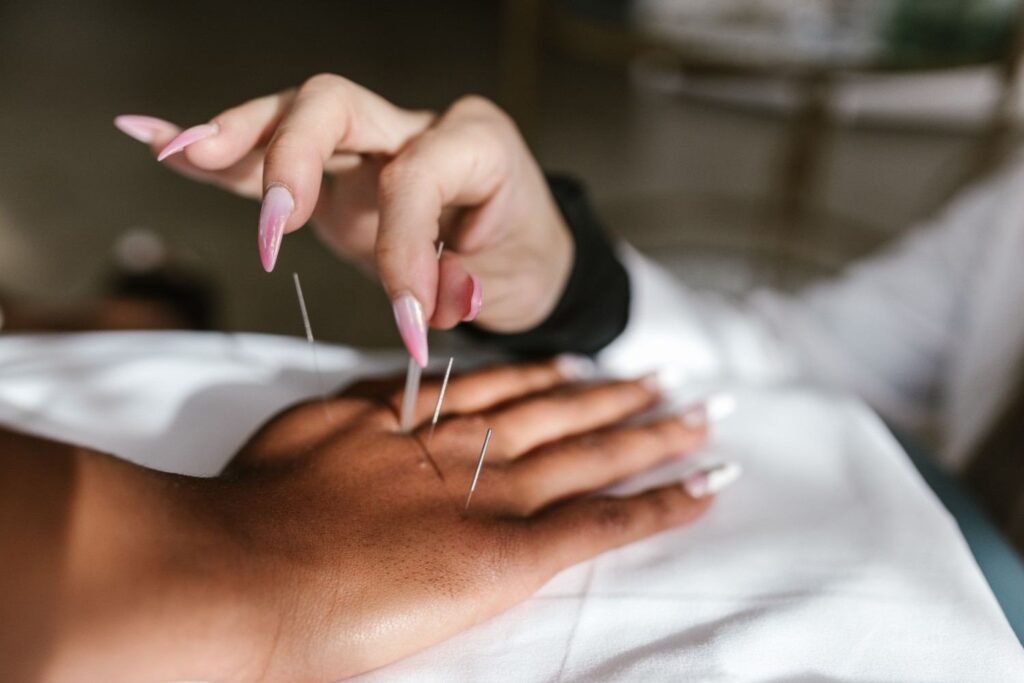
What Is Dry Needling?
Dry needling is a physiotherapy technique involving the insertion of fine, sterile needles into specific areas of muscle and soft tissue. It is commonly used to address myofascial trigger points, muscle tightness, and movement restrictions.
Unlike acupuncture, which is rooted in traditional Chinese medicine principles, dry needling is generally used within a Western musculoskeletal and rehabilitation framework. The physiotherapist selects treatment areas based on the patient’s assessment, clinical presentation, and functional limitations.
The goal is not simply to insert a needle into a painful area. It is to use the technique strategically as one component of a broader treatment plan.
How Can Dry Needling Langdon Help With Muscle Pain?
When muscles remain tense or sensitive after an injury, repetitive activity, or prolonged postural stress, movement can become uncomfortable and restricted. Dry Needling Langdon can be used alongside other physiotherapy techniques to help address these issues.
Potential treatment goals may include:
- Reducing localized muscle tightness
- Improving comfortable range of motion
- Addressing myofascial trigger points
- Supporting recovery following certain musculoskeletal injuries
- Improving movement quality
- Complementing manual therapy and therapeutic exercise
- Helping patients return to normal activities
The response to treatment varies from person to person. Dry needling is not a guaranteed quick fix, and it works best when it is appropriately selected and combined with active rehabilitation.
Who May Benefit From Dry Needling?
Dry needling may be considered for people experiencing certain musculoskeletal problems, particularly when muscle tension or myofascial sensitivity is contributing to symptoms.
Depending on the clinical assessment, it may form part of rehabilitation for:
Neck and Shoulder Tension
Long hours at a desk, repetitive work, sports, or poor movement patterns can contribute to persistent neck and shoulder tightness. Dry needling may be used alongside mobility exercises, manual therapy, and postural rehabilitation.
Back and Hip Muscle Tightness
Lower back or hip discomfort can sometimes involve surrounding muscle tension and restricted movement. A physiotherapist may use dry needling as part of a broader plan designed to restore mobility and improve functional strength.
Sports and Activity-Related Muscle Problems
Athletes and active individuals may develop muscular tightness from repetitive loading, training errors, or previous injuries. Dry needling may complement exercise-based rehabilitation when clinically appropriate.
Trigger Points and Myofascial Pain
Some patients experience localized tender areas within muscles that can contribute to pain and restricted movement. A physiotherapist can determine whether these findings are relevant to the overall problem and whether dry needling is appropriate.
What Happens During a Dry Needling Session?
A Dry Needling Langdon appointment should begin with an assessment rather than immediately moving to treatment.
Your physiotherapist may discuss:
- Your symptoms and how they affect daily activities
- Previous injuries or relevant medical history
- Your movement patterns and functional limitations
- Areas of muscle tightness or sensitivity
- Your rehabilitation goals
If dry needling is considered suitable, the physiotherapist explains the procedure and obtains appropriate consent before treatment.
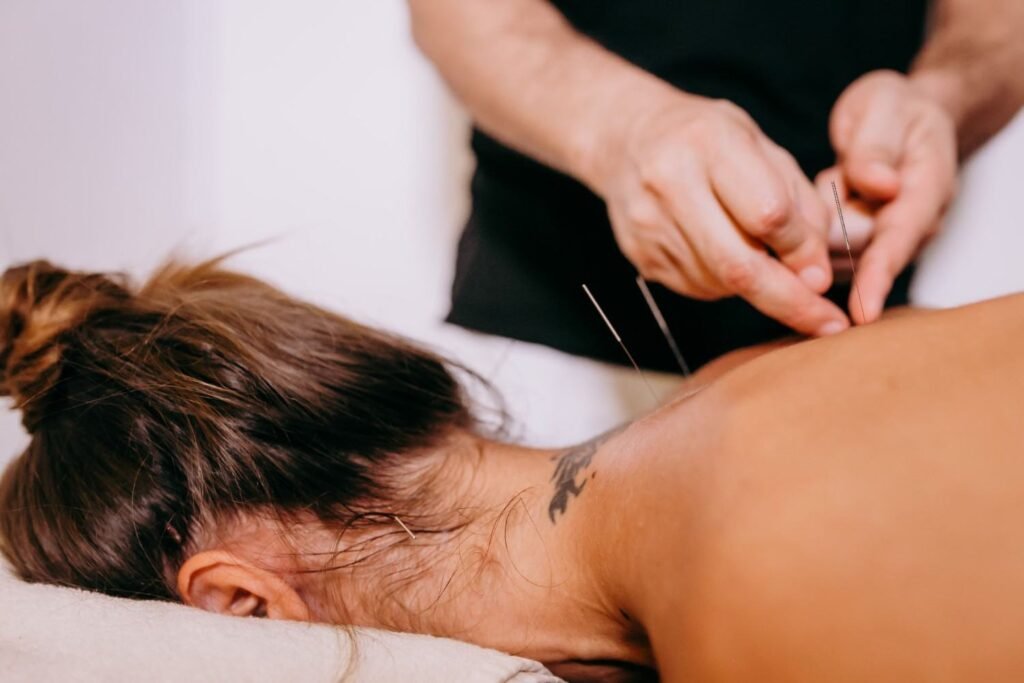
The needles used are very fine, and treatment is performed using appropriate hygiene and safety procedures. Some people experience a brief twitching sensation, local soreness, or temporary discomfort. Your physiotherapist should explain what sensations you may experience and what to expect after treatment.
Why Combine Dry Needling With Physiotherapy?
This is where treatment quality matters.
Using dry needling alone may not address the underlying reason a muscle became overloaded or sensitive in the first place. For longer-term improvement, rehabilitation often needs to address strength, mobility, coordination, movement habits, workload, and functional capacity.
That is why Dry Needling Langdon can be most useful when integrated into a comprehensive physiotherapy program.
Your treatment plan may combine dry needling with:
- Therapeutic exercises
- Manual therapy
- Mobility training
- Strengthening
- Movement retraining
- Balance and coordination exercises
- Injury rehabilitation
- Education and self-management strategies
The combination depends on your assessment. There is no prize for using the longest list of treatment techniques.
Personalized Care at Langdon Physiotherapy
Every injury and pain presentation is different. Two people can report similar symptoms while having completely different contributing factors.
A personalized physiotherapy approach focuses on understanding the individual rather than applying a generic treatment protocol. At Langdon Physiotherapy, experienced therapists can assess your condition, identify relevant movement limitations, and develop a rehabilitation strategy based on your specific needs.
The broader goal is to help you move better, build physical capacity, manage symptoms, and return to the activities that matter to you.
For patients searching for Dry Needling Langdon, this individualized approach is particularly important. Dry needling should be considered as part of clinical decision-making, not as a standalone treatment marketed as a universal solution.
Is Dry Needling Painful?
Dry needling sensations vary. Some people notice a brief prick or localized discomfort during needle insertion, while others experience a muscle twitch or temporary soreness afterward.
Your physiotherapist can explain the expected sensations before treatment and adjust the approach according to your response and comfort.
Mild post-treatment soreness can occur and generally differs from the original pain. If you have concerns about symptoms after treatment, discuss them with your physiotherapist.
Is Dry Needling Suitable for Everyone?
No. Dry needling is not automatically appropriate for every patient or every condition.
Your physiotherapist should review your health history, medications, symptoms, and relevant risk factors before deciding whether the technique is suitable. If another treatment approach would be more appropriate, that should take priority.
This assessment-based approach helps keep Dry Needling Langdon within a safe and clinically appropriate rehabilitation strategy.
Frequently Asked Questions About Dry Needling Langdon
What is Dry Needling Langdon?
Dry Needling Langdon refers to dry needling treatment provided as part of physiotherapy care in Langdon. It uses fine needles to target selected muscles and soft tissues based on an individual clinical assessment.
Does dry needling replace physiotherapy?
No. Dry needling is a technique rather than a complete rehabilitation program. It can be combined with exercise, manual therapy, education, and other physiotherapy interventions when appropriate.
How many dry needling sessions will I need?
There is no universal number. The appropriate treatment frequency depends on your symptoms, response to treatment, functional goals, and overall rehabilitation plan.
Can dry needling help muscle tightness?
It may help address certain forms of muscle tightness and myofascial sensitivity. However, lasting improvement often requires addressing the underlying factors through mobility work, strengthening, movement retraining, and activity modification.
Is dry needling the same as acupuncture?
No. Although both techniques involve needles, they are based on different clinical frameworks and treatment approaches. Dry needling is commonly used within musculoskeletal physiotherapy based on an individual’s assessment.
Take the Next Step Toward Better Movement
You do not have to simply work around persistent muscle pain or restricted movement. The right treatment begins with understanding what is causing your symptoms and what your body needs to recover.
If you are considering Dry Needling Langdon, speak with Langdon Physiotherapy about whether this technique fits your condition and rehabilitation goals. With personalized care, experienced therapists, evidence-based treatment strategies, and comprehensive rehabilitation services, the focus remains on more than temporary symptom relief.
Contact Langdon Physiotherapy to schedule an assessment and discuss a treatment plan tailored to your needs.
