Explore Shockwave Therapy Langdon for tendon and soft-tissue pain. Get personalized, evidence-based physiotherapy and rehabilitation care in Langdon.
Persistent pain can affect almost every part of your routine. Walking becomes uncomfortable, exercise gets harder, and even simple movements can start feeling frustrating. If conventional treatment has not delivered the progress you expected, Shockwave Therapy Langdon may be an option worth discussing with a qualified physiotherapist.
Shockwave therapy is a non-invasive treatment used for selected musculoskeletal conditions, particularly certain persistent tendon and soft-tissue problems. At Langdon Physiotherapy, treatment is based on individual assessment rather than a one-size-fits-all approach. Experienced therapists combine evidence-based treatments with rehabilitation exercises to help patients improve movement, strength, and function.
What Is Shockwave Therapy?
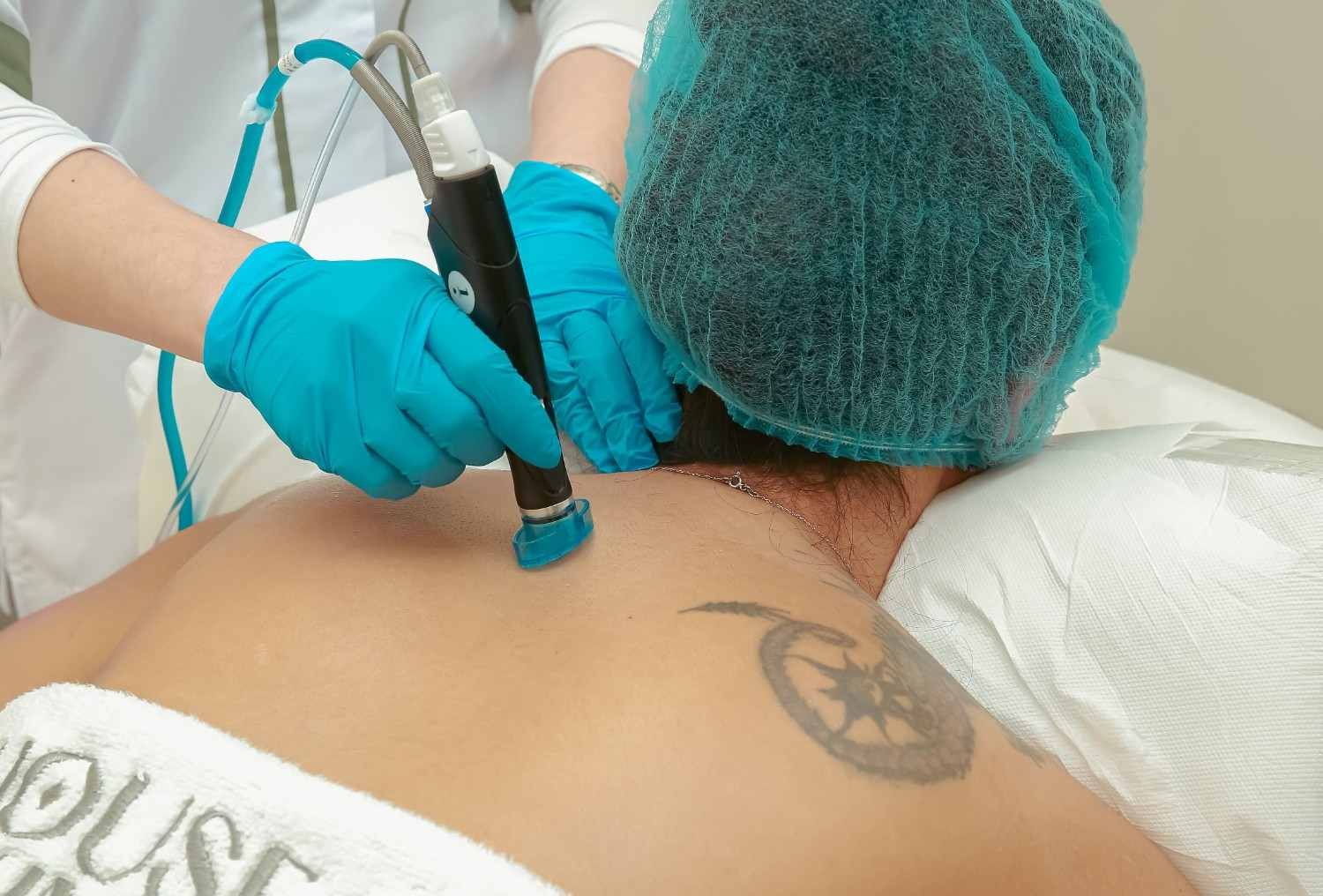
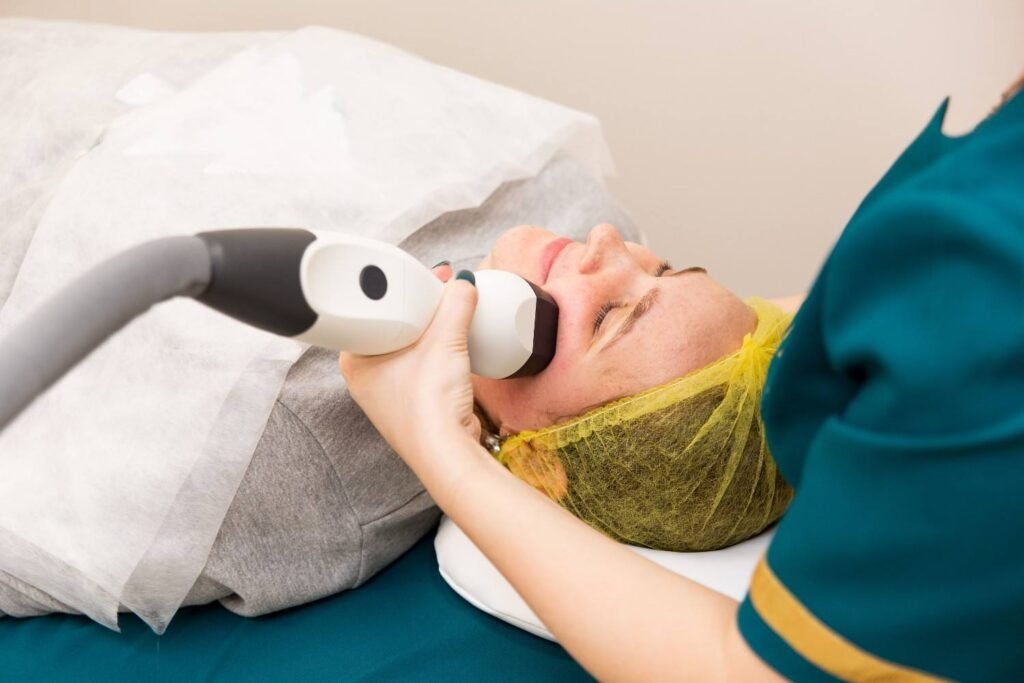
Shockwave therapy, also known as extracorporeal shockwave therapy, uses controlled acoustic waves to deliver mechanical energy to a targeted area of the body.
A specialized applicator delivers a series of pulses to the affected tissue. Depending on the condition being treated, this mechanical stimulation may influence the local tissue environment, pain sensitivity, and processes associated with tissue recovery.
Shockwave therapy is non-invasive and does not require surgery or an incision. However, it should not be viewed as a standalone cure for every type of pain.
The most effective rehabilitation strategy depends on the underlying condition, contributing factors, and individual patient goals. In many cases, shockwave therapy can be combined with therapeutic exercise, progressive strengthening, mobility work, and activity modification.
When Is Shockwave Therapy Langdon Used?
Shockwave Therapy Langdon may be considered for selected persistent musculoskeletal conditions, particularly when symptoms have not improved sufficiently with conservative treatment.
Depending on your assessment, shockwave therapy may be used for:
- Plantar fasciitis and persistent heel pain
- Achilles tendon problems
- Tennis elbow
- Golfer’s elbow
- Patellar tendon pain
- Certain shoulder tendon conditions
- Selected chronic muscle injuries
- Some persistent soft-tissue problems
However, shockwave therapy is not suitable for every injury or pain condition.
That is why assessment comes first. A physiotherapist can determine what is causing your symptoms and whether shockwave therapy is appropriate for your particular presentation.
How Does Shockwave Therapy Langdon Work?
The process typically begins with a detailed assessment followed by a personalized treatment plan.
1. Physiotherapy Assessment
Your therapist may assess:
- Pain location and severity
- How long you have experienced symptoms
- Strength and mobility
- Movement patterns
- Activity levels
- Previous injuries
- Previous treatments
- Factors that aggravate your symptoms
- Your functional limitations
This information helps your therapist understand the condition instead of simply treating the location where you feel pain.
2. Targeted Shockwave Treatment
If shockwave therapy is appropriate, the therapist uses the device to deliver controlled acoustic pulses to the selected treatment area.
Treatment intensity and other parameters can be adjusted according to your condition and tolerance.
The goal is not simply to use the strongest setting possible. Appropriate clinical judgment matters more than brute force.
3. Rehabilitation and Exercise
Shockwave therapy may be combined with targeted exercises designed to improve strength, mobility, tissue capacity, and functional movement.
This is particularly relevant for tendon conditions because progressive loading can be an important component of long-term rehabilitation.
What Conditions Can Shockwave Therapy Treat?
Plantar Fasciitis and Heel Pain
Plantar fasciitis can cause persistent pain underneath or around the heel, particularly during walking, standing, running, or the first steps after rest.
For people with persistent symptoms, shockwave therapy may be considered as part of a broader treatment program.
Your physiotherapy plan may also include calf strengthening, foot exercises, mobility work, activity modification, and load management.
Tennis Elbow
Tennis elbow, also called lateral elbow tendinopathy, can cause pain around the outside of the elbow and difficulty with gripping, lifting, or repetitive hand movements.
Shockwave therapy may be used alongside progressive strengthening and other physiotherapy strategies when clinically appropriate.
Achilles Tendon Pain
Achilles tendon problems can affect runners, athletes, active adults, and people whose activity levels have changed.
Treatment may involve assessing calf strength, tendon loading, training habits, mobility, and functional movement.
Where appropriate, Shockwave Therapy Langdon can be incorporated into a structured Achilles rehabilitation program.
Shoulder Tendon Conditions
Some persistent shoulder tendon conditions may also be considered for shockwave therapy.
Because shoulder pain can have several different causes, a proper clinical assessment is important before deciding on treatment.
What Does Shockwave Therapy Feel Like?
Patients commonly describe shockwave treatment as tapping, pressure, or repeated pulses over the affected area.
Some treatment areas can be more sensitive than others. Your therapist can adjust the treatment parameters according to your tolerance and clinical requirements.
Temporary tenderness or soreness may occur following treatment. Your physiotherapist can provide guidance about exercise, activity levels, and what to expect after your appointment.
The number of treatment sessions varies depending on your condition and response to rehabilitation. There is no sensible universal number that applies to every patient.
Why Choose Langdon Physiotherapy for Shockwave Therapy?
The technology itself is only one part of the rehabilitation process. The quality of the assessment, treatment planning, exercise prescription, and follow-up also matters.
Langdon Physiotherapy focuses on personalized care, experienced therapists, evidence-based treatments, and comprehensive rehabilitation services.
Your treatment plan may combine shockwave therapy with:
- Therapeutic exercise
- Progressive strengthening
- Mobility exercises
- Activity modification
- Load management
- Movement retraining
- Patient education
- Functional rehabilitation
This approach looks beyond temporary symptom management and considers the factors that may be contributing to your pain.
The objective is to help you improve your physical capacity and return to meaningful activities with greater confidence.
Shockwave Therapy Langdon for Active People and Athletes
Persistent tendon pain can be particularly frustrating for people who enjoy running, gym workouts, recreational sports, or other physical activities.
Pain may force you to reduce training, avoid certain movements, or repeatedly stop and restart your routine.
Shockwave Therapy Langdon may be included in rehabilitation for appropriate sports-related tendon and soft-tissue conditions.
However, the objective should not simply be getting you back to sport as quickly as possible. A more useful goal is improving your ability to tolerate the demands of your activity.
That may involve progressive strengthening, movement retraining, training-load management, and a gradual return to higher-intensity activities.
Is Shockwave Therapy Painful?
Shockwave therapy can feel uncomfortable, especially when the treatment applicator is placed over a sensitive area.
The sensation varies according to the treatment location, condition, and individual sensitivity.
Your therapist can adjust treatment intensity to maintain appropriate tolerance. The purpose is not to make the session unnecessarily painful.
After treatment, some patients may experience temporary soreness or tenderness. Your therapist can explain appropriate post-treatment activity and exercise recommendations.
How Many Shockwave Therapy Sessions Do You Need?
There is no fixed number of sessions suitable for everyone.
Your treatment plan may depend on:
- The type of condition
- Duration of symptoms
- Symptom severity
- Activity demands
- Previous treatment
- Your response to rehabilitation
- Your individual recovery goals
Rather than focusing only on how many sessions you need, progress should be evaluated through changes in pain, strength, mobility, function, and activity tolerance.
Frequently Asked Questions About Shockwave Therapy Langdon
What is Shockwave Therapy Langdon?
Shockwave Therapy Langdon is a non-invasive physiotherapy treatment that uses controlled acoustic waves to target selected musculoskeletal conditions, particularly certain persistent tendon and soft-tissue problems.
Can Shockwave Therapy Langdon help plantar fasciitis?
Shockwave therapy may be appropriate for some people with persistent plantar fasciitis. A physiotherapy assessment can determine whether it is suitable and how it should be combined with exercise and other rehabilitation strategies.
Is shockwave therapy better than exercise?
Not necessarily. Shockwave therapy and therapeutic exercise have different roles. Exercise and progressive loading are often important parts of musculoskeletal rehabilitation, while shockwave therapy may be used as an additional treatment when clinically appropriate.
How quickly does shockwave therapy work?
Results vary between individuals and conditions. Some patients may notice improvements relatively early, while others require a longer rehabilitation period.
Can shockwave therapy help chronic tendon pain?
It may be considered for selected persistent tendon conditions. However, proper diagnosis and rehabilitation planning are essential because chronic tendon pain can have multiple contributing factors.
Is shockwave therapy suitable for everyone?
No. Certain medical conditions or circumstances may make shockwave therapy unsuitable. A qualified healthcare professional should assess your individual situation before treatment.
Start Your Recovery With Shockwave Therapy Langdon in 2026
Persistent heel, elbow, Achilles, shoulder, or tendon pain can gradually affect your work, exercise, sport, and everyday life. Continuing to push through the same pain without addressing its underlying contributors rarely makes for a brilliant rehabilitation strategy.
If conservative treatment has not provided the improvement you expected, Shockwave Therapy Langdon may be worth discussing with a physiotherapist.
Langdon Physiotherapy offers personalized care supported by experienced therapists, evidence-based treatment approaches, and comprehensive rehabilitation services. Your treatment can be tailored around your condition, lifestyle, activity demands, and recovery goals.
Contact Langdon Physiotherapy today to schedule an assessment and find out whether shockwave therapy could be an appropriate part of your rehabilitation plan.
