
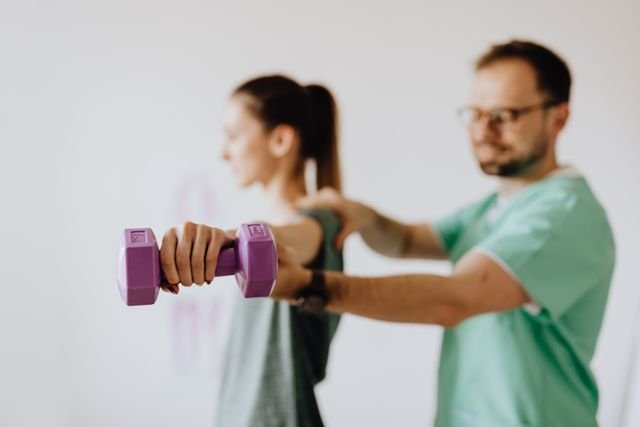
Get Post Surgical Rehabilitation Langdon with personalized physiotherapy, evidence-based care, and expert support at Langdon Physiotherapy.
Surgery is often an important step toward treating an injury, repairing damaged tissue, or improving joint function, but the recovery process does not end when the procedure is complete. Regaining strength, mobility, balance, and confidence can take time and structured rehabilitation. If you are searching for Post Surgical Rehabilitation Langdon, Langdon Physiotherapy provides personalized physiotherapy programs designed to support your recovery and help you return safely to everyday activities.
Whether you are recovering from orthopedic surgery, joint surgery, a sports-related procedure, or another musculoskeletal operation, rehabilitation should be tailored to your specific condition and recovery goals. At Langdon Physiotherapy, our experienced therapists focus on evidence-based care, progressive exercise, movement education, and individualized treatment plans to support every stage of recovery.
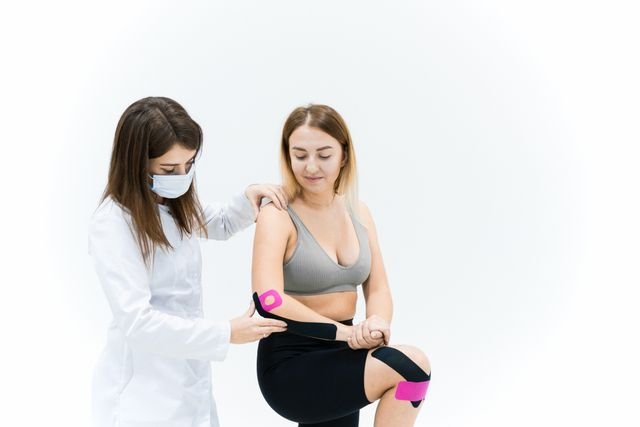
Why Is Post-Surgical Rehabilitation Important?
After surgery, the affected area may experience reduced mobility, muscle weakness, stiffness, swelling, or difficulty performing normal movements. In many cases, appropriate rehabilitation plays an important role in helping patients gradually regain function.
Post Surgical Rehabilitation Langdon focuses on helping you progress safely according to your procedure, physical condition, and healthcare team’s recommendations.
Rehabilitation may help you work toward:
- Improved joint mobility
- Better muscle strength
- Reduced stiffness
- Improved balance and coordination
- Greater confidence with movement
- Improved ability to perform daily activities
- A safer return to work, exercise, or sports
Recovery is not the same for everyone. Two people may have similar surgical procedures but very different recovery timelines, activity requirements, and rehabilitation needs. That is why a personalized approach matters.
How Post Surgical Rehabilitation Langdon Supports Your Recovery
At Langdon Physiotherapy, rehabilitation begins with understanding your procedure, current symptoms, movement limitations, and recovery goals.
Your physiotherapist may assess:
- Joint range of motion
- Muscle strength
- Balance and stability
- Walking or movement patterns
- Functional limitations
- Pain and swelling levels
- Your ability to perform daily activities
- Surgical precautions and healthcare recommendations
This assessment helps create an appropriate starting point for your rehabilitation.
A good recovery plan should not simply provide a list of exercises and hope for the best. Your program should progress based on your healing, functional abilities, and response to treatment.
Common Types of Post-Surgical Rehabilitation
Post Surgical Rehabilitation Langdon may support recovery following various procedures involving muscles, joints, bones, and other musculoskeletal structures.
Joint Replacement Rehabilitation
Patients recovering from procedures such as hip or knee replacement may require progressive rehabilitation to improve:
- Mobility
- Strength
- Walking ability
- Balance
- Functional independence
Your physiotherapist can guide exercises and movement progression according to your surgeon’s recommendations.
Knee Surgery Rehabilitation
Rehabilitation may be required following procedures involving the:
- ACL
- Meniscus
- Knee ligaments
- Patellar structures
- Other knee conditions
A structured rehabilitation program can focus on restoring mobility, strength, balance, and functional movement.
Shoulder Surgery Rehabilitation
After shoulder surgery, gradual rehabilitation may be important for restoring movement and rebuilding strength.
Depending on the procedure and surgical precautions, treatment may focus on:
- Restoring range of motion
- Improving shoulder stability
- Strengthening surrounding muscles
- Improving functional movement
Sports Injury Surgery Rehabilitation
Athletes recovering from surgery often have specific goals related to returning to training or sport.
Post Surgical Rehabilitation Langdon can include progressive exercises designed to rebuild strength, coordination, movement control, and sport-specific capacity when appropriate.
Evidence-Based Treatments for Post Surgical Rehabilitation Langdon
Your rehabilitation program should be based on your specific procedure and current stage of recovery.
Therapeutic Exercise
Exercise is often a central part of rehabilitation.
Your physiotherapist may recommend:
- Mobility exercises
- Progressive strengthening
- Balance training
- Stability exercises
- Functional movement training
- Endurance exercises
- Sport or activity-specific rehabilitation
Exercises are adjusted over time as your strength and functional capacity improve.
Manual Therapy
Hands-on techniques may be used when appropriate to address stiffness, soft tissue restrictions, or movement limitations.
Manual therapy can complement active rehabilitation, but long-term recovery generally requires progressive movement and strengthening.
Movement Retraining
After surgery, people may temporarily change how they walk, lift, reach, or perform other movements.
Your physiotherapist can assess these patterns and help you gradually improve movement quality and confidence.
Education and Self-Management
Understanding your recovery is an important part of successful rehabilitation.
Your physiotherapist can provide guidance regarding:
- Appropriate activity levels
- Home exercises
- Movement techniques
- Recovery progression
- Returning to work
- Returning to exercise
- Injury prevention strategies
The goal is to help you understand what you can do during each stage of recovery and progress safely.
Why Choose Langdon Physiotherapy?
When looking for Post Surgical Rehabilitation Langdon, choosing personalized and professional care can make a meaningful difference to your recovery experience.
Personalized Rehabilitation Plans
Every patient has different recovery goals. You may want to return to work, play with your children, walk without difficulty, exercise again, or return to competitive sports.
Langdon Physiotherapy develops rehabilitation plans around your individual needs, functional limitations, and goals.
Experienced Physiotherapists
Our experienced therapists use clinical assessment and practical rehabilitation strategies to help patients progress through recovery safely and effectively.
Evidence-Based Care
Our approach is based on current rehabilitation principles and individualized clinical assessment. Your treatment plan can be adjusted as your mobility, strength, and function improve.
Comprehensive Rehabilitation Services
Recovery after surgery may involve more than the operated area. Movement limitations in other parts of the body can sometimes influence your rehabilitation.
Langdon Physiotherapy offers comprehensive services that may support a wide range of rehabilitation needs, including:
- Back pain physiotherapy
- Neck pain physiotherapy
- Shoulder rehabilitation
- Hip rehabilitation
- Knee rehabilitation
- Sports injury rehabilitation
- Work-related injury care
- Motor vehicle accident rehabilitation
- TMJ treatment
- Vestibular rehabilitation
- Massage therapy
This comprehensive approach helps ensure that your rehabilitation considers your overall movement and functional goals.
What to Expect During Your Rehabilitation
Your recovery program may progress through different stages.
Early Recovery
The initial focus may include protecting the surgical area and gradually restoring appropriate movement. Depending on your procedure, your physiotherapist may work within specific precautions provided by your surgeon.
Strength and Mobility Recovery
As healing progresses, rehabilitation may focus more on improving:
- Strength
- Flexibility
- Joint mobility
- Balance
- Functional movement
Return to Normal Activities
Later stages of Post Surgical Rehabilitation Langdon may focus on the specific activities that matter to you.
This may include:
- Returning to work
- Climbing stairs
- Lifting
- Walking longer distances
- Returning to the gym
- Recreational activities
- Sports-specific training
Progression should be based on your individual recovery rather than a rigid calendar alone.
Tips for a Better Post-Surgical Recovery
While every rehabilitation program is different, several principles can support the recovery process:
- Follow your surgeon’s recommendations.
- Attend physiotherapy appointments as advised.
- Complete prescribed home exercises.
- Progress activity gradually.
- Avoid comparing your recovery with someone else’s.
- Discuss new or worsening symptoms with your healthcare provider.
- Focus on consistent progress rather than rushing the process.
Recovery is rarely perfectly linear. Some days are better than others. That does not automatically mean your rehabilitation is failing.
When Should You Start Post-Surgical Physiotherapy?
The appropriate time to begin Post Surgical Rehabilitation Langdon depends on the type of surgery and your surgeon’s instructions.
Some procedures may require rehabilitation soon after surgery, while others have specific periods of protection before certain movements or exercises can begin.
Your physiotherapist should coordinate the rehabilitation approach with your surgical precautions and healthcare recommendations.
Conclusion
If you are looking for professional Post Surgical Rehabilitation Langdon, Langdon Physiotherapy provides personalized care designed to support your recovery at every appropriate stage. Our experienced therapists use evidence-based rehabilitation, therapeutic exercise, movement education, and individualized treatment plans to help improve strength, mobility, and everyday function.
Whether your goal is to walk comfortably, return to work, get back to exercise, or resume sports, a structured rehabilitation program can help you move forward with greater confidence. Your recovery deserves more than a generic exercise sheet. It deserves a plan built around you.
Frequently Asked Questions
What is Post Surgical Rehabilitation Langdon?
Post Surgical Rehabilitation Langdon involves personalized physiotherapy designed to support recovery after surgery. Treatment may include therapeutic exercise, mobility training, strength development, movement education, and functional rehabilitation.
How soon can I start physiotherapy after surgery?
The timing depends on your specific procedure and your surgeon’s recommendations. Your physiotherapist will follow appropriate post-operative precautions when planning your rehabilitation.
How long does post-surgical rehabilitation take?
Recovery timelines vary based on the type of surgery, your overall health, the complexity of the procedure, and your individual rehabilitation goals. Your physiotherapist can provide guidance based on your progress.
Can physiotherapy help after joint replacement surgery?
Physiotherapy can play an important role in helping many patients gradually improve mobility, strength, balance, and functional independence following joint replacement surgery.
What should I bring to my physiotherapy appointment?
Bring any relevant surgical information, healthcare instructions, or referral documentation available to you. Comfortable clothing that allows the physiotherapist to assess movement is also helpful.
