
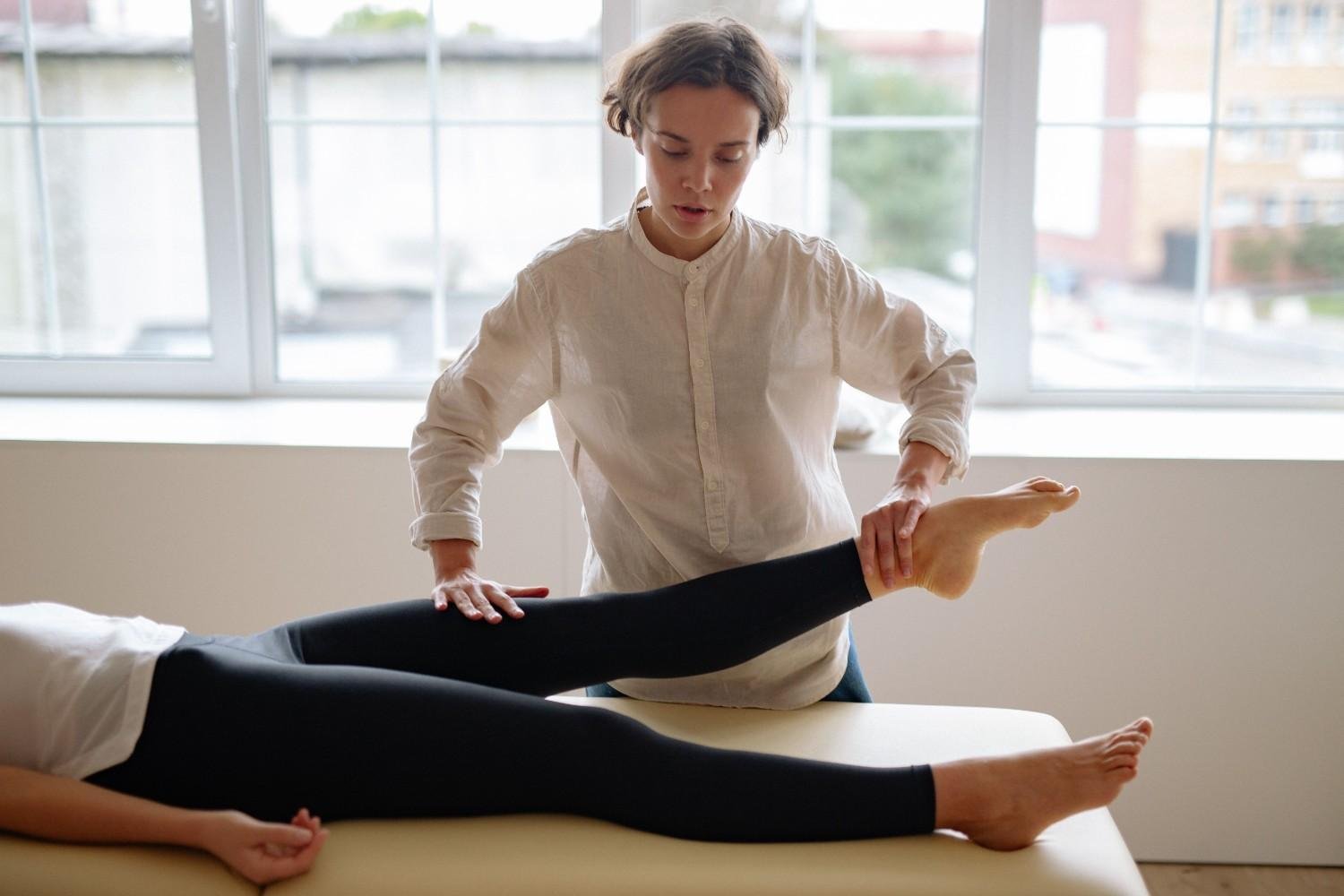
Get Sciatica Treatment Langdon with personalized physiotherapy, experienced therapists, and evidence-based rehabilitation at Langdon Physiotherapy.
Sciatica can turn ordinary movements such as walking, sitting, bending, or getting out of bed into uncomfortable tasks. The pain may travel from the lower back into the buttock and down the leg, sometimes accompanied by tingling, numbness, or weakness. If you’re looking for Sciatica Treatment Langdon, Langdon Physiotherapy provides personalized care focused on understanding what is contributing to your symptoms and improving your ability to move comfortably. Our experienced physiotherapists use evidence-based treatment, targeted exercises, hands-on techniques, and progressive rehabilitation to help reduce pain and restore everyday function.
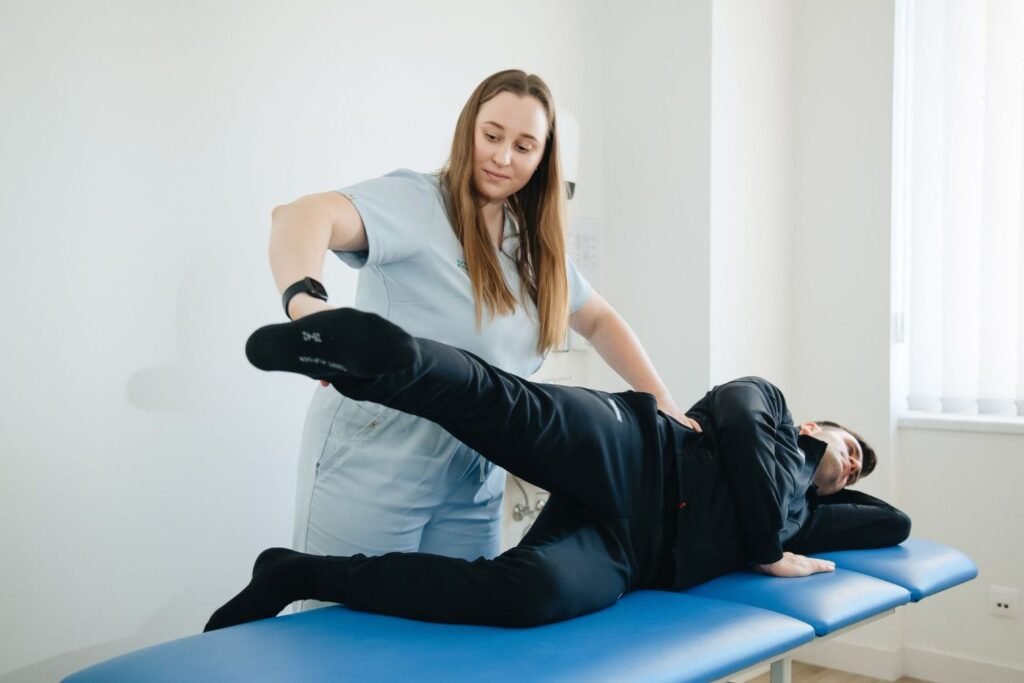
What Is Sciatica?
Sciatica refers to symptoms associated with irritation or compression of the sciatic nerve or its nerve roots in the lower back. The sciatic nerve travels from the lower spine through the buttock and into the leg, which explains why symptoms can extend beyond the back itself.
Common symptoms may include:
- Lower back pain
- Buttock pain
- Pain travelling down one leg
- Tingling or pins and needles
- Numbness
- Muscle weakness
- Difficulty sitting for prolonged periods
- Pain with certain movements
Sciatica can have different causes, so treatment should be based on an individual assessment rather than simply treating the location of the pain.
What Causes Sciatica?
Several conditions can contribute to sciatic nerve symptoms. These may include:
- Disc-related problems
- Irritation of spinal nerve roots
- Age-related changes in the spine
- Spinal narrowing
- Repetitive lifting
- Poor movement mechanics
- Prolonged sitting
- Certain workplace activities
- Previous lower-back injuries
Not everyone with radiating leg pain has the same underlying problem. This is why a physiotherapy assessment can be useful for determining which movements, activities, or physical factors may be contributing to your symptoms.
How Sciatica Treatment Langdon Can Help
Effective Sciatica Treatment Langdon should focus on more than temporary pain relief. The goal is to help you understand your symptoms, improve movement, rebuild physical capacity, and return to normal activities safely.
At Langdon Physiotherapy, your initial assessment may include:
- Reviewing your symptoms and medical history
- Assessing lower-back and hip movement
- Checking muscle strength
- Evaluating mobility and flexibility
- Assessing functional movements
- Identifying activities that aggravate or relieve symptoms
- Discussing your work, lifestyle, and recovery goals
This information allows your physiotherapist to develop a rehabilitation plan suited to your specific condition.
Evidence-Based Sciatica Treatment Langdon
There is no single treatment that works for every person with sciatica. Your rehabilitation should be adjusted according to your symptoms and progress.
Therapeutic Exercise
Exercise is an important part of many sciatica rehabilitation programs.
Depending on your assessment, your program may include:
- Core strengthening
- Hip strengthening
- Mobility exercises
- Gentle stretching
- Functional strengthening
- Movement-control exercises
- Progressive resistance training
The objective is to gradually improve your ability to perform everyday activities without unnecessarily aggravating symptoms.
Manual Therapy
Hands-on physiotherapy techniques may be incorporated when appropriate to help improve mobility and reduce muscular or joint restrictions.
Manual treatment can complement active rehabilitation by making certain movements more comfortable and helping you participate in your exercise program.
Movement Education
Certain positions or movements may aggravate sciatic symptoms. Your physiotherapist can help you understand your individual triggers and modify activities when necessary.
You may receive guidance on:
- Sitting positions
- Lifting techniques
- Sleeping positions
- Workplace posture
- Bending and reaching
- Returning to exercise
The aim is not to make you afraid of movement. It is to help you move more confidently and progressively increase your physical capacity.
Progressive Rehabilitation
As your symptoms improve, your rehabilitation can progress from basic mobility and activation exercises to more demanding strengthening and functional activities.
This gradual approach can help prepare you for work, exercise, sports, and other activities that are important to you.
Conditions Addressed Through Sciatica Treatment Langdon
Langdon Physiotherapy can provide rehabilitation support for various conditions associated with lower-back and leg symptoms, including:
- Sciatic nerve-related pain
- Lower-back pain
- Disc-related symptoms
- Hip-related movement problems
- Muscle weakness
- Reduced spinal mobility
- Workplace-related back injuries
- Sports-related lower-back injuries
- Post-injury rehabilitation
Because radiating pain can have several possible causes, your physiotherapist will assess your symptoms before recommending an appropriate treatment strategy.
Why Choose Langdon Physiotherapy?
When searching for Sciatica Treatment Langdon, personalized rehabilitation matters.
Personalized Care
Your symptoms, work demands, activity level, and recovery goals are different from those of another patient. Langdon Physiotherapy creates treatment plans around the individual rather than relying on a generic exercise sheet.
Experienced Therapists
Our experienced physiotherapists use clinical assessment and rehabilitation principles to help you regain mobility, strength, and confidence.
Evidence-Based Treatment
Treatment is guided by current physiotherapy principles and clinical reasoning. Your program can be modified as your symptoms and functional abilities change.
Comprehensive Rehabilitation Services
Sciatica can sometimes overlap with problems involving the back, hips, or lower limbs. Langdon Physiotherapy offers comprehensive rehabilitation services, including care for:
- Back pain
- Neck pain
- Shoulder pain
- Hip pain
- Knee pain
- Sports injuries
- Work-related injuries
- Motor vehicle accident rehabilitation
- Vestibular conditions
- TMJ conditions
- Pelvic floor concerns
- Massage therapy
This broad range of services allows your therapist to consider related movement and functional issues when appropriate.
Tips for Managing Sciatica at Home
While your rehabilitation plan should be individualized, several general habits may support recovery:
- Avoid staying in one position for excessively long periods.
- Take regular movement breaks if you work at a desk.
- Follow your prescribed exercises consistently.
- Increase activity gradually.
- Use proper lifting techniques.
- Avoid suddenly returning to intense exercise.
- Pay attention to changes in your symptoms.
- Discuss persistent or worsening symptoms with a healthcare professional.
Complete inactivity is not necessarily the best solution. For many people, appropriately managed movement is an important component of rehabilitation.
When Should You Seek Physiotherapy for Sciatica?
Consider booking a physiotherapy assessment if your symptoms:
- Continue or repeatedly return
- Interfere with walking
- Make sitting difficult
- Affect your ability to work
- Limit exercise or sports
- Cause persistent leg discomfort
- Are affecting your sleep
- Reduce your normal mobility
Seek urgent medical attention for new severe weakness, loss of bladder or bowel control, numbness around the groin or saddle area, or other sudden serious neurological symptoms.
Conclusion
If you’re searching for reliable Sciatica Treatment Langdon, Langdon Physiotherapy provides personalized, evidence-based rehabilitation designed around your symptoms and recovery goals. Our experienced therapists combine therapeutic exercise, hands-on treatment, movement education, and progressive rehabilitation to help improve mobility and everyday function. Rather than simply focusing on where it hurts, we look at the broader factors affecting how you move so you can work toward a stronger and more confident recovery.

Frequently Asked Questions
What is Sciatica Treatment Langdon?
Sciatica Treatment Langdon involves individualized physiotherapy assessment and rehabilitation for symptoms associated with sciatic nerve irritation or related lower-back conditions. Treatment may include exercise, manual therapy, movement education, and progressive strengthening.
Can physiotherapy help with sciatica?
Physiotherapy can help many people manage sciatica by improving movement, strength, physical function, and confidence. Your treatment approach depends on the underlying cause and your individual symptoms.
How long does Sciatica Treatment Langdon take?
Recovery time varies considerably. Factors such as the cause of symptoms, duration of pain, physical condition, and response to treatment can influence recovery. Your physiotherapist can provide a more individualized outlook after assessment.
Should I exercise if I have sciatica?
In many cases, appropriately selected movement and exercise can form an important part of rehabilitation. However, the right exercises depend on your symptoms and physical assessment. Your physiotherapist can help determine what is appropriate.
Can sciatica come back after treatment?
It can. Building strength, improving movement habits, maintaining appropriate physical activity, and following a long-term rehabilitation strategy may help reduce the risk of recurring symptoms.
Do I need a referral for physiotherapy?
Patients can generally arrange physiotherapy directly, although insurance policies may have their own requirements. Check your individual coverage if you plan to claim treatment through insurance.
