
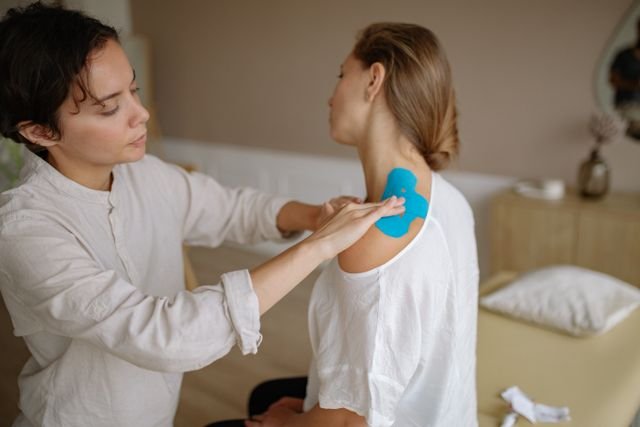
Get personalized Vestibular Rehabilitation Langdon for dizziness, vertigo and balance issues with experienced therapists and evidence-based physiotherapy.
Dizziness can make ordinary activities feel surprisingly difficult. Turning your head, getting out of bed, walking through a busy store, or looking up can suddenly trigger unsteadiness or discomfort. Vestibular Rehabilitation Langdon is a specialized physiotherapy approach designed to help people manage certain vestibular and balance-related problems and regain confidence in everyday movement.
At Langdon Physiotherapy, rehabilitation is personalized to the individual. Experienced therapists assess your symptoms, movement, balance, and functional limitations before developing an evidence-based treatment plan. The goal is not simply to manage dizziness temporarily, but to help improve balance, movement confidence, and day-to-day function.
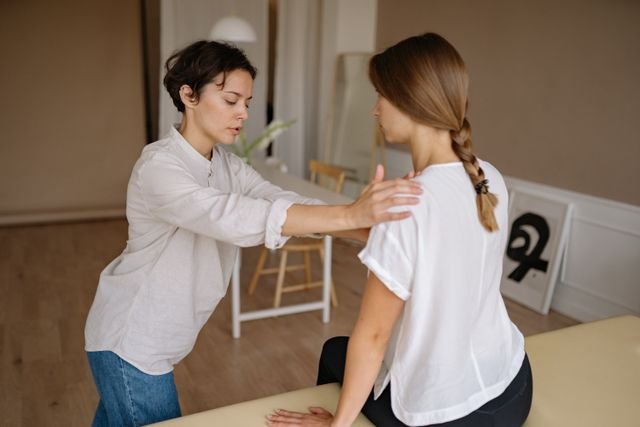
What Is Vestibular Rehabilitation?
Vestibular rehabilitation is a specialized form of physiotherapy that uses targeted exercises to address problems involving the vestibular system, balance, gaze stability, and movement coordination.
Your vestibular system, located within the inner ear, works closely with your eyes, brain, muscles, and joints to help you understand where your body is in space and maintain balance.
When this system is disrupted, you may experience symptoms such as:
- Dizziness
- Vertigo
- Unsteadiness
- Balance difficulties
- Motion sensitivity
- Visual discomfort
- Difficulty walking
- Problems with head movement
- Reduced confidence during daily activities
Vestibular rehabilitation aims to identify the factors contributing to these problems and use appropriate exercises to improve function.
When Do You Need Vestibular Rehabilitation Langdon?
Not every episode of dizziness requires physiotherapy. However, if dizziness, imbalance, or motion sensitivity continues to affect your daily activities, professional assessment can be useful.
Vestibular Rehabilitation Langdon may be considered for people experiencing symptoms associated with conditions such as:
- Benign paroxysmal positional vertigo (BPPV)
- Vestibular hypofunction
- Balance disorders
- Certain post-concussion symptoms
- Motion sensitivity
- Dizziness associated with head movement
- Difficulties with walking and balance
- Some vestibular conditions following illness or injury
The correct treatment depends on the underlying cause. That is why an assessment is an important first step rather than simply assuming every dizzy spell requires the same exercise program.
Common Signs You May Benefit From Vestibular Rehabilitation
Vestibular problems do not always feel like traditional spinning vertigo.
You may notice that you:
- Feel unsteady when walking
- Become dizzy when turning your head
- Struggle in visually busy environments
- Feel uncomfortable moving quickly
- Have difficulty maintaining balance
- Feel disoriented when changing positions
- Avoid certain activities because you are worried about losing your balance
- Experience symptoms when looking up or down
If these problems are affecting your independence or confidence, a physiotherapy assessment may help identify appropriate rehabilitation options.
How Does Vestibular Rehabilitation Langdon Work?
A structured vestibular rehabilitation program begins with assessment and progresses according to your symptoms and functional goals.
1. Detailed Vestibular Assessment
Your physiotherapist may assess balance, coordination, eye and head movements, gait, positional symptoms, and how your body responds to different movements.
Your medical and injury history may also provide important context.
The purpose is to identify patterns that may be contributing to dizziness or balance problems.
2. Personalized Exercise Program
There is no universal vestibular exercise routine that works for everyone.
Your therapist may prescribe exercises targeting specific areas such as gaze stability, balance, coordination, habituation, or functional movement.
Exercises are selected according to your presentation and progressed as your tolerance improves.
3. Balance and Gait Training
Balance rehabilitation may include exercises performed in different positions or environments to improve stability and confidence.
Gait training may also be incorporated when dizziness or balance problems affect walking.
The aim is to make improvements relevant to real life, not simply make you better at performing exercises inside a clinic.
4. Gradual Progression
Vestibular rehabilitation often requires progressive exposure to movements or situations that trigger symptoms.
The key is controlled progression. Pushing too hard can make rehabilitation unnecessarily difficult, while avoiding movement completely may limit your ability to regain confidence.
Your therapist can help establish an appropriate progression based on your response.
Vestibular Rehabilitation Langdon for Dizziness and Vertigo
Dizziness and vertigo can have different causes, which means treatment needs to be based on the underlying problem.
Vertigo often involves a sensation of spinning or movement, while other vestibular problems may cause unsteadiness, visual discomfort, or difficulty coordinating movement.
For some positional vertigo conditions, specific repositioning techniques may be appropriate. For other vestibular problems, treatment may focus more heavily on gaze stabilization, balance exercises, habituation, and functional movement.
This is why professional assessment matters. Treating dizziness without understanding its likely source is a bit like fixing a car by randomly replacing parts.
Vestibular Rehabilitation After a Concussion
Some people experience dizziness, balance problems, visual sensitivity, or motion intolerance following a concussion.
When appropriate, vestibular rehabilitation can be incorporated into a broader concussion recovery program.
Treatment may address balance, gaze stability, head movement, physical activity tolerance, and functional mobility depending on the individual’s symptoms.
Because concussion recovery can involve several systems at once, comprehensive rehabilitation may be more appropriate than focusing on dizziness alone.
Why Choose Langdon Physiotherapy?
The quality of vestibular rehabilitation depends heavily on accurate assessment and appropriate treatment progression.
Langdon Physiotherapy focuses on personalized care, experienced therapists, evidence-based treatments, and comprehensive rehabilitation services.
Rather than applying the same routine to every patient, the rehabilitation plan can be adapted to your symptoms, activity level, lifestyle, and recovery goals.
Your treatment may include:
- Vestibular rehabilitation exercises
- Balance and gait training
- Therapeutic exercise
- Movement retraining
- Education about symptom management
- Functional rehabilitation
- Progressive activity planning
The objective is to help you become more confident and capable in everyday movement.
What Can You Expect During Vestibular Rehabilitation?
Your first appointment will generally focus on understanding your symptoms and assessing relevant physical functions.
Your therapist may ask about:
- When your symptoms started
- What movements trigger them
- Whether symptoms involve spinning, lightheadedness, or imbalance
- Your previous injuries or medical history
- How symptoms affect work and daily activities
- Your goals for rehabilitation
Based on the findings, your therapist can recommend appropriate treatment and exercises.
Some exercises may temporarily reproduce mild symptoms. This can sometimes be part of the rehabilitation process, but exercises should be appropriately selected and progressed under professional guidance.
How Long Does Vestibular Rehabilitation Take?
Recovery time varies significantly depending on the cause and severity of the problem.
Factors that may influence rehabilitation include:
- The underlying vestibular condition
- Duration of symptoms
- Balance impairment
- Age and general physical condition
- Previous injuries
- Activity level
- Response to treatment
- Consistency with the prescribed exercise program
Some people may improve over a relatively short period, while others require a longer rehabilitation program.
Your physiotherapist can monitor progress and adjust the treatment plan as your abilities change.
Frequently Asked Questions About Vestibular Rehabilitation Langdon
What is Vestibular Rehabilitation Langdon?
Vestibular Rehabilitation Langdon is a specialized physiotherapy approach using targeted exercises and rehabilitation strategies to address certain dizziness, balance, vertigo, and movement-related problems.
Can vestibular rehabilitation help with dizziness?
It can help with certain causes of dizziness and balance dysfunction. The appropriate treatment depends on the underlying cause, which is why professional assessment is important.
Can vestibular rehabilitation help vertigo?
Yes, vestibular physiotherapy can be useful for certain types of vertigo. For example, specific repositioning techniques may be appropriate for some cases of BPPV, while other conditions may require balance, gaze, or habituation exercises.
Is vestibular rehabilitation suitable after a concussion?
Vestibular rehabilitation may form part of concussion rehabilitation when dizziness, balance difficulties, or motion sensitivity are present. Treatment should be individualized according to the person’s symptoms.
How long does vestibular rehabilitation take?
There is no fixed timeline. Recovery depends on the underlying condition, symptom severity, treatment response, and consistency with rehabilitation exercises.
Are vestibular rehabilitation exercises difficult?
Exercises are selected according to your abilities and symptoms. Your therapist can gradually increase the challenge as your balance, movement tolerance, and confidence improve.
Improve Your Balance With Vestibular Rehabilitation Langdon
Persistent dizziness and balance problems can make people feel like they need to move through life cautiously. That can gradually lead to activity avoidance, reduced confidence, and unnecessary limitations.
Vestibular Rehabilitation Langdon provides a structured approach to addressing appropriate vestibular and balance-related problems through assessment, targeted exercises, and progressive rehabilitation.
Langdon Physiotherapy combines personalized care, experienced therapists, evidence-based treatment approaches, and comprehensive rehabilitation services to help patients work toward better movement and function.
If dizziness, vertigo, balance problems, or motion sensitivity are affecting your everyday life, contact Langdon Physiotherapy today to schedule an assessment and discuss your rehabilitation options.
